Understanding Reiki Energy Healing — Principles, Practice, and Modern Relevance
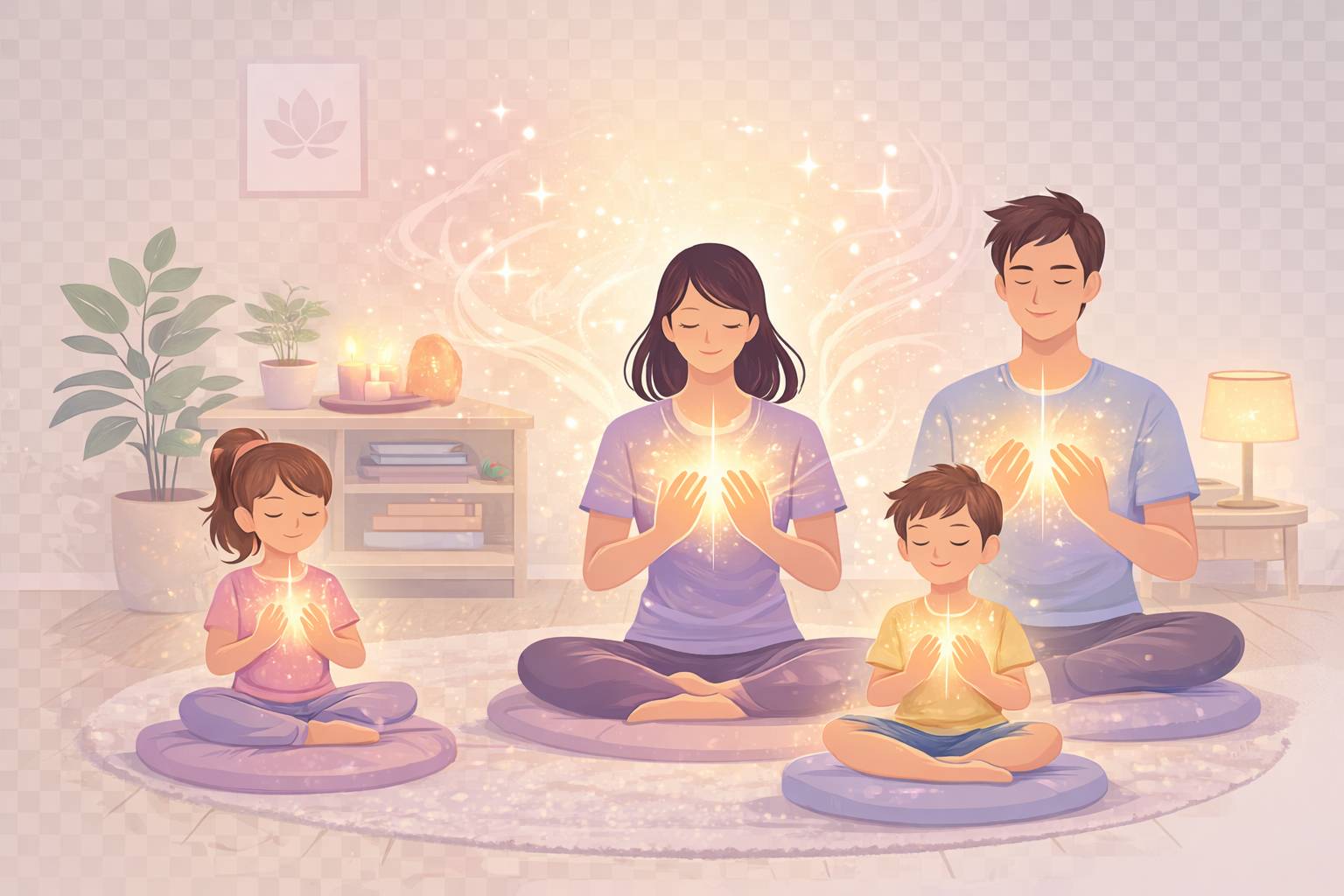
Reiki has increasingly emerged as a subject of global curiosity within the broader landscape of complementary wellness and energy-based practices. Originating in Japan in the early twentieth century, Reiki is often described as a system of natural energy harmonization that supports relaxation, awareness, and personal wellbeing. While interpretations vary across cultures and practitioners, its foundational philosophy rests on the idea that human beings exist not merely as physical entities but as integrated systems of body, mind, and subtle energetic processes.

In contemporary society—characterized by rapid technological advancement and psychological overstimulation—there is renewed interest in practices that encourage calmness, introspection, and balance. Reiki is frequently explored in this context, not as a replacement for medical or psychological care, but as a complementary approach that fosters mindfulness, attentiveness, and intentional self-care.
This article examines Reiki through its historical foundations, conceptual framework, practical application, and evolving relevance in modern personal development discourse.
Historical Context and Origins
Reiki is commonly associated with Mikao Usui, a Japanese spiritual seeker who systematized the practice in the early 1900s. Usui’s teachings emphasized ethical living, self-reflection, and the cultivation of awareness alongside energy work. The system later spread internationally through students and lineages that adapted the practice to diverse cultural environments.

At its core, Reiki was never positioned as a doctrine requiring rigid belief. Instead, it functioned as a structured experiential practice involving intention, attention, and symbolic hand placements. Its guiding principles—often summarized through five ethical precepts—encourage individuals to cultivate gratitude, diligence, compassion, and emotional balance.
Over time, Reiki became integrated into holistic wellness circles, meditation communities, and personal growth frameworks, reflecting its adaptability across philosophical and cultural contexts.
Conceptual Framework: Energy and Awareness
Reiki operates on a conceptual model that views vitality as an interconnected dynamic rather than an isolated physiological function. While interpretations differ, practitioners typically frame Reiki within the idea of a universal life energy—an organizing principle present throughout nature.
From a reflective standpoint, engaging with such concepts encourages individuals to:
Develop heightened bodily awareness
Observe emotional responses without immediate reaction
Practice intentional relaxation
Cultivate attentiveness to internal states
Regardless of metaphysical interpretation, these reflective practices align with well-documented psychological strategies for stress reduction and self-regulation.
Importantly, Reiki should not be presented as scientifically proven energy manipulation or a substitute for professional care. Rather, it may be understood as a structured mindfulness-oriented practice incorporating symbolic ritual, touch awareness, and meditative focus.
Foundational Principles of Reiki Practice
Reiki instruction generally introduces several guiding principles that frame the practitioner’s mindset:
Present-Centered Awareness
Attention is directed toward the current moment rather than past or future concerns.
Emotional Moderation
Practitioners are encouraged to observe emotional states without suppression or escalation.
Ethical Interaction
Emphasis is placed on kindness, honesty, and respect in interpersonal relationships.
Gratitude and Reflection
Daily contemplation fosters appreciation and humility.
Intentional Action
Routine tasks are performed with focus and care.
These principles contribute to a broader lifestyle orientation rather than a single therapeutic technique.
Practical Structure of a Reiki Session
Although practices vary, a typical self-guided session may involve:
Quiet preparation in a calm environment
Regulated breathing or brief meditation
Gentle hand placement on various body regions
Sustained attention to sensation or relaxationClosing reflection or journaling
From a behavioral standpoint, such structured pauses within daily routines can promote mental reset, reduce overstimulation, and encourage introspection.
Professional sessions conducted by trained practitioners follow similar structures but include guided facilitation.
Integration with Contemporary Wellness Approaches
Modern interpretations frequently position Reiki within integrative wellness frameworks. Individuals exploring Reiki often also engage with:
Meditation
Breathwork
Reflective journaling
Yoga or mindful movement
Lifestyle intentionality
These overlapping practices collectively reinforce habits associated with reduced stress perception and enhanced emotional regulation.
Notably, institutions such as hospitals and therapy centers in various regions have explored relaxation-focused complementary practices, including Reiki, as supportive—not primary—modalities aimed at comfort and emotional support.
Psychological and Reflective Benefits
While scientific consensus on energetic transfer remains inconclusive, participants frequently report subjective experiences including:
1.Improved relaxation
2.Heightened introspection
3.Sense of emotional clarity
4.Enhanced body awareness
5.Increased personal agency in self-care routines
These outcomes may be attributed to ritualized relaxation, expectation effects, and attentional training—all of which are recognized psychological phenomena.
Therefore, examining Reiki through both experiential and analytical perspectives enables balanced understanding.
Reiki in Personal Development Context
Within personal development literature, Reiki often serves as an entry point for cultivating:
Self-observation habits
Routine stillness practices
Intentional daily reflection
Value-based behavioral alignment

These elements contribute to identity growth and self-regulation, regardless of metaphysical interpretation.
Additionally, structured learning environments provide community interaction, mentorship, and educational exploration—factors known to support long-term behavioral change.
Ethical and Responsible Engagement
It is essential that Reiki engagement maintains ethical clarity:
It should never discourage medical consultation
It must not promise guaranteed outcomes
It should respect diverse belief systems
It should encourage informed exploration
Responsible presentation ensures credibility and protects both learners and facilitators.
Future Directions and Global Relevance
As global discourse increasingly emphasizes mental wellbeing and lifestyle awareness, practices promoting reflection and intentional calmness may continue to attract attention.
Reiki’s adaptability—spanning traditional spirituality, modern mindfulness, and personal growth communities—positions it as a cultural phenomenon worth examining beyond purely therapeutic claims.
Its continued relevance will likely depend on transparent communication, ethical teaching, and integration with evidence-informed wellness approaches.
Conclusion
Reiki represents more than a technique; it is a structured framework for pausing, observing, and reconnecting with one’s internal processes. Whether approached through spiritual curiosity, psychological reflection, or lifestyle experimentation, it offers individuals an opportunity to cultivate awareness and intentionality.
By grounding engagement in openness, responsibility, and balance, practitioners and learners alike can explore Reiki as part of a broader journey toward personal clarity and wellbeing.

The author is a dedicated writer and lifelong learner exploring the intersections of Reiki, spirituality, and holistic personal development. With a strong interest in mindful living and energy-based wellness traditions, their work focuses on presenting thoughtful, balanced perspectives that encourage self-awareness, reflection, and intentional growth.
Through research-driven articles and reflective insights, the author aims to create accessible content that bridges traditional wisdom and contemporary wellbeing practices. Their writing explores themes including energy awareness, meditation, emotional balance, mindset cultivation, and value-based living, while maintaining respect for diverse viewpoints and responsible engagement with complementary wellness concepts.
Committed to clarity and integrity, the author approaches each topic with an emphasis on educational value rather than prescriptive claims, encouraging readers to explore ideas thoughtfully and make informed personal choices.
This platform serves as a space for continuous learning, curiosity, and meaningful dialogue around inner development and conscious lifestyle practices.